AI Summit Speakers
Feb 16, 2025 Sunday
MIT Media Lab Multipurpose Room
Keynote 1
1:00-1:30 pm
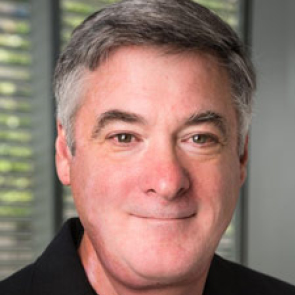
Joseph A. Paradiso
MIT Media Lab
Alexander W. Dreyfoos (1954) Professor
Associate Academic Head, Program in
Media Arts and Sciences
Joseph A. Paradiso is the Alexander W. Dreyfoos (1954) Professor in Media Arts and Sciences at the MIT Media Lab, where he directs the Responsive Environments group. He received his PhD in Physics from MIT in 1981, a BSEE from Tufts University in 1977, and joined the Media Lab in 1994. His current research explores how sensor networks augment and mediate human experience, interaction, and perception—encompassing wireless sensing systems, wearable and body sensor networks, energy harvesting and power management for embedded sensors, ubiquitous and pervasive computing, human-computer interfaces, electronic music, and interactive media. He has previously worked in high-energy physics, spacecraft control, and underwater sonar.
Session 1 AI Creative Products and Pipelines
1:30-2:15 pm
From AI-assisted previsualization to automated post-production, cutting-edge tools are revolutionizing the filmmaking pipeline. Explore how AI-driven innovations enhance efficiency, empower creators, and introduce novel aesthetics to the cinematic process.

Paige Bailey
Google Deepmind, AI Developer Relations Engineering Lead
Paige Bailey is the AI Developer Relations engineering lead at Google DeepMind. Prior to returning to Google DeepMind, Paige worked on projects like GitHub Codespaces, VS Code, and Copilot at GitHub. As a former applied machine learning engineer (in Azure Research, Chevron, and on NASA projects), Paige can’t imagine a more exciting charter than accelerating creative work and developer productivity with AI.
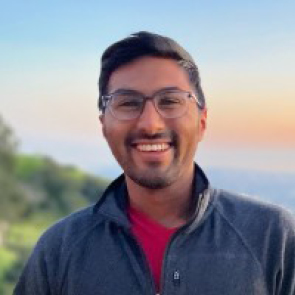
Ajay Jain
Genmo, Co-founder & CTO
Ajay Jain is the Co-founder & CTO at Genmo. Co-creator of Denoising Diffusion (DDPM) and DreamFusion. He leads the research team at Genmo AI. Ajay completed his PhD as part of the Berkeley AI Research lab working on machine learning, especially deep generative models and representation learning. Their work laid the foundation for all modern diffusion models including Stable Diffusion and DALL-E 2. At Google Brain, he built the first text-to-3D generative model. Before that, he worked on self-driving at Uber ATG, researched compilers at MIT CSAIL and did his BS at MIT.
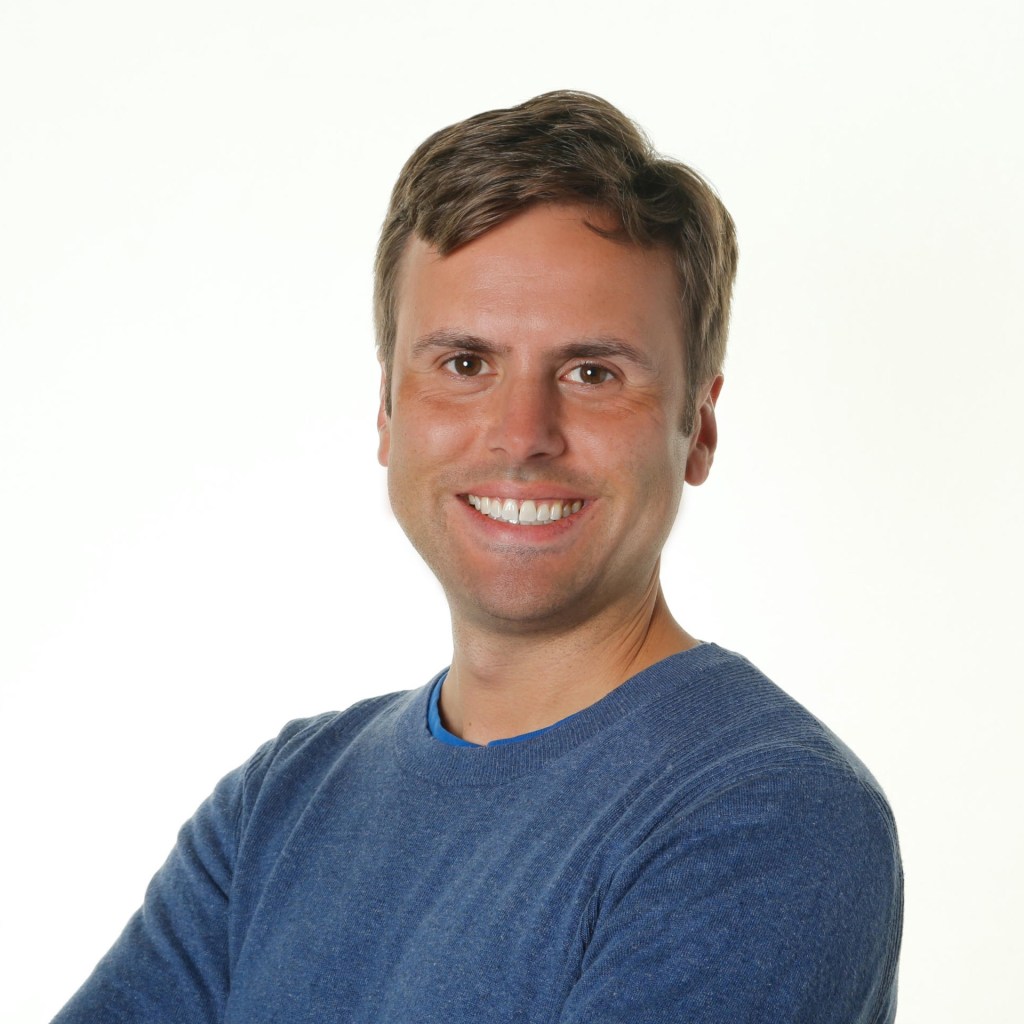
Russell Palmer
CyberFilm AI, Co-founder
Born and raised in Toronto, Ontario, after Russell graduated from the Computer Science & Electrical Engineering Program at the University of Western Ontario, he landed a job as a Product Manager on the Microsoft Office team in Redmond, Washington. Afterwards, Russell moved to Silicon Valley in 2017 to work as a Product Manager at Viv Labs, an AI start-up pioneered by the founders of Siri, where he saw firsthand an AI company being built from the ground up to being acquired by Samsung. Afterwards in 2020, Russell was recruited by JPMorgan’s West Coast AI Lab at Stanford Research Park in Palo Alto, with a team of AI experts from Google, Facebook, and other top companies to dive deeper into Machine Learning and Big Data. The sum of all this experience was invaluable to Russell. After working for the biggest software company in the world, the biggest hardware company, and the oldest and biggest Wall Street bank, Russell felt the time was right to start his own venture and he co-founded CyberFilm AI and built SAGA with his brother Andrew, a Hollywood filmmaker.
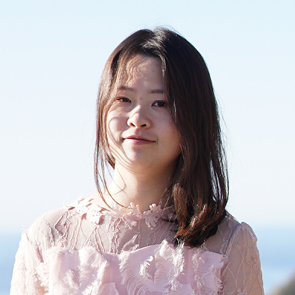
Ruihan Zhang
MIT Filmmakers Association, Founder
MIT Media Lab, PhD
Ruihan received her PhD from MIT Media Lab, studying neurotechnology under the supervision of Dr. Ed Boyden and Dr. Joseph Jacobson. She now works at Google XR. As an amateur filmmaker since 2015, Ruihan’s short films have garnered over 250k views across YouTube, Bilibili, and Xiaohongshu (Red Note). Ruihan founded and served as the first president of the MIT Film Makers Association. She organized the first two MIT AI for Filmmaking Hackathons, which attracted hundreds of applicants, and co-organized the Generative AI for Visual Arts workshop at CVPR 2024.
Session 2 AI Influence on Artists & the Film Industry
2:15-3:00 pm
The rapid advancement of AI is transforming artistic practices and disrupting traditional industry models. Uncover the impact of machine learning on creative decision-making, the evolution of artistic roles, and the shifting dynamics of film production and distribution. A thought-provoking discussion on how artists and filmmakers are navigating this ever-changing landscape.
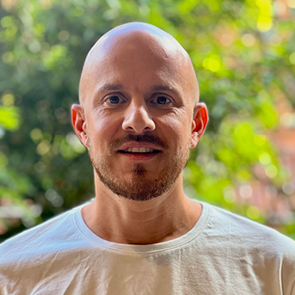
Juan Diego Villegas
Jaguar Bite, Founding Partner
Fidelio Films, Managing Partner
MIT EMBA
As a dynamic entrepreneur and global business leader, Juan Diego thrives at the intersection of strategy, creativity, and innovation. With over a decade of experience scaling ventures across media and entertainment, while investing in the hospitality industry, he has contributed to building businesses that deliver impactful results.
The entertainment companies he co-founded have grown from ambitious startups to industry leaders in just seven years, creating thousands of jobs and fostering partnerships with giants like Netflix, Amazon, Warner, and Apple TV+. His entrepreneurial vision extends to a restaurant group investment that has grown into six distinct concepts with near 8-figure revenue in just five years, demonstrating his ability to identify high-potential opportunities across diverse sectors.
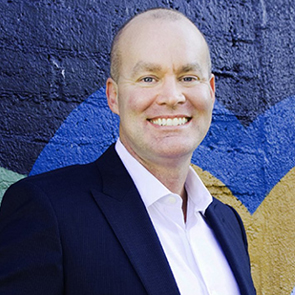
Halfdan Hussey
Cinequest, Cofounder & CEO
Creatics Enterprises, Cofounder & CEO
Maverick Studio, Cofounder & CEO
Halfdan (hallf’ dun) Hussey is the Co-Founder and CEO of Creatics Enterprises, Maverick Studio, and Cinequest. Set in the Silicon Valley, Cinequest fuses innovation with the filmed arts to empower great creations and to engage audiences, youth, artists, and innovators with these creations and with each other. Creatics is an exciting new global platform for experiencing creative work, engaging with the artists and fans of that work, and belonging to an inspiring community. Maverick Studio brings the elements of successful studios into the future with groundbreaking audience platforms and leading-edge technologies—along with a commitment to inspire, inform, and elevate the human spirit.
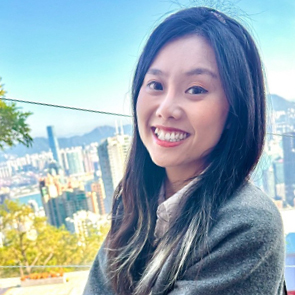
Coco Mao
OpenArt, Cofounder & CEO
Coco is OpenArt’s co-founder and CEO. She is an ex-Googler and serial entrepreneur whose previous short-form video startup was acquired by Google Search. Coco has always been a creative at heart. Fun fact – she directed and produced her first film back in high school with three friends.
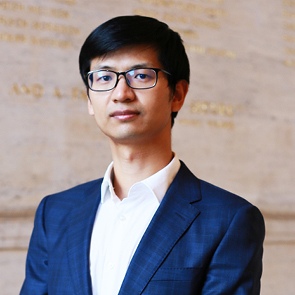
Jiajian Min (Moderator)
2025 MIT AI Film Hack, Chair
Harvard FAS, Project Lead 2020-23
MYStudio, Cofounder
Jiajian Min is a new media artist, architect, and creative entrepreneur. He is the Cofounder and Executive Director of MYStudio, an experimental design group in Boston, integrating humanity, art, performance and technology. He has worked as Project Lead at Harvard FAS CAMLab from 2020 to 2023. He is the Committee Chair of 2025 MIT AI Filmmaking Hackathon, co-founder of HarvardXR Inaugural Conference, Yale Alumni Mentor, the XR Track Member at NEW INC, Judge of 2024 MIT Reality Hack, Reviewer of 2024 IEEE AIART Workshop, selected as 2023 Forbes China 100 Most Influential Chinese. He also teaches interdisciplinary Design Studios at Tsinghua University, China Academy of Art, Central Academy of Fine Arts and Communication University of China. Jiajian is dedicated to cutting-edge multimedia art creation and international cultural communication. His works have been featured globally at Venice Biennale, Ars Electronica Art Gallery, Lumen Prize, ACM Siggraph Asia, IRCAM FORUM at NYU, Chinagraph, Chengdu Biennale, Beijing Media Art Biennale, Asia Digital Art Exhibition, etc.
Keynote 2
3:15-3:45 pm
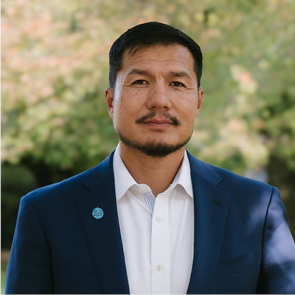
Alvin Wang Graylin
HTC, Global VP
OUR NEXT REALITY, Bestselling Author
Virtual World Society, Chairman
Alvin Wang Graylin is a recognized leader, author, investor, and technology pioneer with over three decades of experience driving innovation in AI, XR, and semiconductors. He currently serves as Global VP of Corporate Development at HTC, following a distinguished tenure as China President from 2016 to 2023. Graylin also holds leadership roles as Chairman of the Virtual World Society, Vice-Chair of the Industry of VR Alliance, and President of the Virtual Reality Venture Capital Alliance. His latest book, Our Next Reality, published by Hachette Book Group, examines how AI and XR convergence will reshape society.
Session 3: Spatial Computing & Immersive Storytelling
3:45-4:30 pm
AI-driven spatial computing is unlocking unprecedented storytelling possibilities, blurring the boundaries between cinema, gaming, and interactive media. Discover how intelligent algorithms shape immersive narratives, enable real-time world-building, and create deeply engaging audience experiences across VR, AR, and mixed reality platforms.

Daniel Pillis
Emerson College, Assistant Professor in Virtual Production
MIT, Research Affiliate
Daniel Pillis is an interdisciplinary researcher and artist who specializes in applications of artificial intelligence applied to virtual production, performance capture, mixed reality, and interactive computer graphics. Currently, Pillis’s research is focused on creating novel interfaces that enhance memory visualization. At Emerson, he leads research at the Emerging Media Lab, conducting creative research that explores the impact of simulations on the nature of the human experience. Pillis holds an MS in Tangible Media from the MIT Media Lab and an MFA in immersive media from Carnegie Mellon University. He was previously a student of Dr. Ivan Sutherland, a preeminent figure in computer graphics and godfather of virtual reality, as well as Dr. Hiroshi Ishii, a founding figure in human-computer interaction. He held previous posts as a research assistant at the CMU Robotics Institute and as a Research Assistant Professor of Immersive Environments.
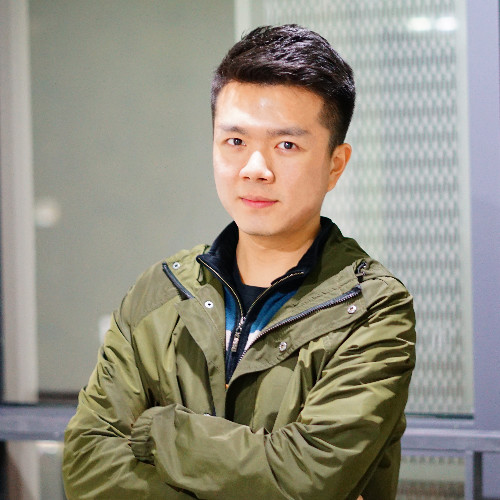
Philip Xia
Deemos Technologies, VP of Global Operations
Philip Xia is the Vice President of Global Operations at Deemos Technologies, where he oversees the development and global deployment of the company’s groundbreaking 3D Gen AI product, Rodin. Philip’s expertise in both engineering and business strategy has been instrumental in driving Deemos’ success on a global scale.
A graduate of the University of Pennsylvania, Philip previously has worked as a Software Engineer at Tesla and held internships at Wharton, Meta, and Microsoft. His experience spans multiple tech and business domains, making him a valuable contributor to the industry.

Nemo Shi (Moderator)
MIT Reality Hack Founders Lab, Co-Founder
Harvard Alumni
Nemo Shi is a startup founder, educator, innovation ecosystem builder, and Harvard alum. He launched his first AI venture in collaboration with Dr. Andrew Ng’s AI Fund and has spearheaded the development of innovation communities, including MIT Reality Hack, MIT Sloan AI Conference, Æthos AI Hub, and Harvard Alumni Entrepreneurs.
Nemo is passionate about founder education, dedicated to educating and inspiring future entrepreneurs and early stage founders. He launched the Founders Lab at MIT Reality Hack, which became a success. He works closely with founders and innovators to ideate, design, and launch solutions that drive both commercial success and social impact.
Session 4: Ethics in Generative AI
4:30-5:15 pm
As AI-generated content reshapes the creative industry, critical ethical questions emerge. Delve into issues of bias, authenticity, intellectual property, and artistic ownership in the age of generative media. Explore responsible AI integration strategies that prioritize creativity, fairness, and cultural integrity while harnessing the full potential of intelligent automation.
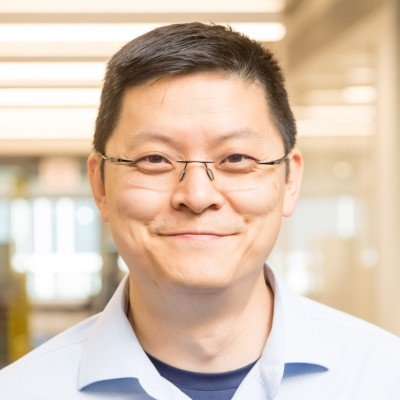
Ben Zhao
University of Chicago
Neubauer Professor of Computer Science, Director of Graduate Studies at UChicago Computer Science
Ben Zhao is a Neubauer Professor of Computer Science at University of Chicago. Over the years, he has worked on various areas, including P2P networks, online social networks, cognitive radios/dynamic spectrum, graph mining and modeling, and user behavior analysis. Since 2016, his research has focused on security and privacy in machine learning and wearable systems. Since 2022, he has primarily worked on adversarial machine learning and developing tools to mitigate the harms of generative AI models against human creatives in different industries.
His primary research venues include CCS, Oakland, and USENIX Security. In the past, his broad interests led him to publish at a range of top conferences, including NeurIPS, CVPR, IMC, WWW, CHI, CSCW, SIGCOMM, NSDI, and MobiCom. Here’s a word cloud of paper abstracts from around 2019.
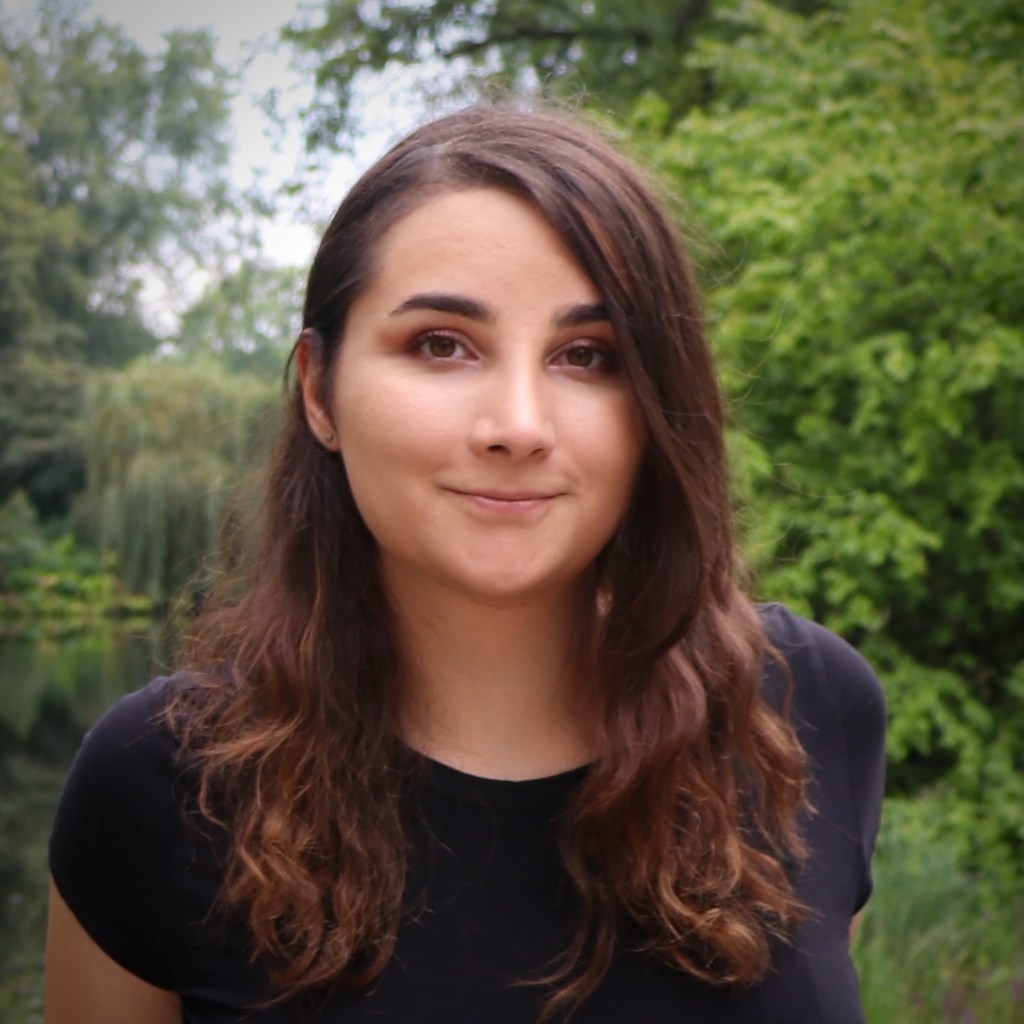
Ana Dodik
MIT CSAIL, PhD
Meta, Former Computer Vision Engineer
Ana is a PhD student at MIT EECS, CSAIL advised by Prof. Justin Solomon and Prof. Vincent Sitzmann. Working on problems at the intersection of graphics, vision, and algorithmic fairness.
Before MIT, she was a computer vision engineer at Meta. Ana has a Master’s degree from ETH Zurich where she had the amazing opportunity to work with Disney Research Studios on path tracing research.
Session 5: AI, Art, and Creativity
5:15-6:00 pm
The intersection of AI and artistic expression is redefining the creative landscape, fostering new forms of collaboration and inspiration. Engage in a compelling conversation about algorithmic creativity, human-machine co-creation, and the ever-evolving role of AI in expanding artistic horizons across film, theater, music, and visual storytelling.
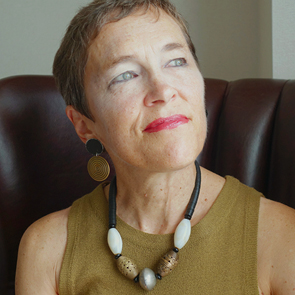
Caroline A. Jones
MIT Department of Architecture
Rudge Allen Professor in the History, Theory, and Criticism
Associate Dean in the School of Architecture and Planning
Caroline A. Jones is Rudge Allen Professor in the History, Theory, and Criticism section, Department of Architecture, MIT. She studies modern and contemporary art, focusing on its technological modes of production, distribution, and reception, and on its interface with science, recently publishing on Generative AI and Technoshock in the Visual Arts. She has also worked as a curator, most recently on the exhibition Symbionts: Contemporary Artists and the Biosphere, at MIT’s List Visual Art Center in 2022-23. Her exhibitions and/or films have been shown at NY MoMA, SF MoMA, the Hirshhorn DC, and the Hara Museum Tokyo, among other venues. Publications include Machine in the Studio (1996/98), Picturing Science, Producing Art (co-editor, 1998), Sensorium (editor 2006), Eyesight Alone (2005/08), Experience (co-editor, 2016), The Global Work of Art (2016), and Symbionts (2022). Caroline is currently collaborating with historian of science Peter Galison on patterns of occlusion and political contestation over images of environmental harm.
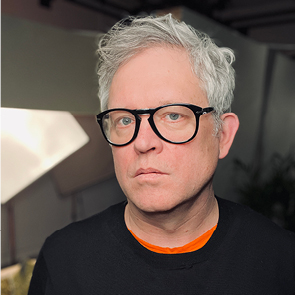
Jay Scheib
MIT Music & Theater Arts
Class of 1949 Professor
Section Head for Music & Theater Arts
Jay Scheib is internationally known for genre-defying works of daring physicality and the integration of new (and used) technologies in live performance. Scheib’s current productions include the interactive VR installation Sei SIegfried with the Bayreuth Festival, Germany and the West End musical Bat Out of Hell (after the album by Jim Steinman) which played at the London Coliseum/English National Opera, New York City Center, and the Ed Mirvish Theater in Toronto. Other projects include a new opera based on Ingmar Bergman’s film Persona, which was produced by Beth Morrison Projects and premiered at National Sawdust in New York followed by performances at the Isabella Stewart Gardner Museum in Boston and in 2017 with LA Opera at RedCat. Scheib’s recent mashup of Heiner Goebbels’ Surrogate Cities with Richard Wagner’s Götterdämmerung played to rave reviews at the Wuppertal Opera House in Germany.
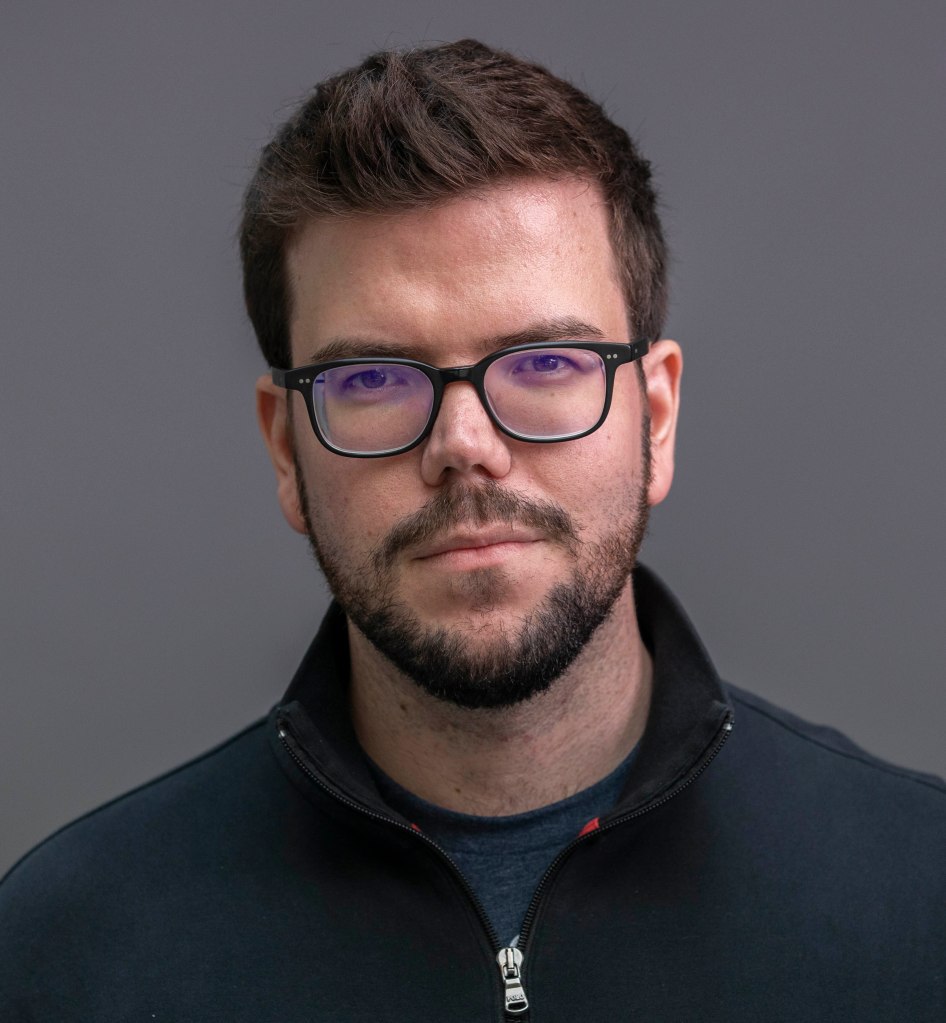
David Ledo
Autodesk
Senior Research Scientist
David Ledo is a Venezuelan–Canadian designer, scientist, and communicator working as a Senior Research Scientist within Autodesk Research. David is part of the Human–Computer Interaction and Visualization Research Group, where he envisions the future of technology through novel creativity support tools and toolkits. His multidisciplinary approach brings together a mix of understanding theories of creativity, conducting qualitative research to understand creative practitioners, carrying out first-hand explorations in these practices, and over 15 years of building interactive systems for authoring and design.
David is also an award-winning scientist recognized by scholarships and fellowships such as Killam, NSERC PGS-D, the Adobe Research Fellowship, and Alberta Innovates. David received his PhD at the University of Calgary in 2020. During his graduate research, he worked at many international research institutions including University of Saskatchewan, Aarhus University, Autodesk Research and Microsoft Research.

Anna Borou Yu (Moderator)
2025 MIT AI Film Hack, Cochair
MIT Theater Arts, Collaborative Artist
MYStudio, Cofounder
Anna Borou Yu is an interdisciplinary researcher, new media artist and dancer. She is the Cofounder and Creative Director of MYStudio, collaborative artist at MIT Theater Arts, pursuing a PhD in Media Arts and Technology with Emphasis in Cognitive Science at UC Santa Barbara. She has worked as Fellow and Project Lead at Harvard FAS CAMLab, teaching at Tsinghua University, China Academy of Art and Central Academy of Fine Art. She served as XR Track Member at NEW INC, Ambassador of Arte Laguna Prize, Judge of 2024 MIT AI Filmmaking Hackathon, Judge of 2024 MIT Reality Hack, Reviewer of 2024 IEEE AIART Workshop, selected as AACYF Top 30 under 30 in 2023. Her artworks and research have been featured worldwide at Venice Biennale, Ars Electronica, Eurographics, ACM Siggraph Asia, ACM JOCCH, Arte Laguna Prize, Lumen Prize, Chengdu Biennale, etc.
2024 3D Winner Workshop
Feb 15, 2025 Saturaday 5:15-6:00pm
MIT Media Lab Lecture Hall
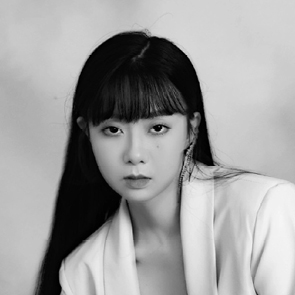
Yetong Xin
Digital Artist
2024 MIT AI Filmmaking Hackathon, 3D Winner
Harvard GSD, Graduate Student
Yetong Xin is a digital artist specializing in 3D, AI, XR technologies, and interactive media.
As a contributor at Refik Anadol Studio and Harvard CAM Lab, her work spans animation, immersive exhibitions, architectural projections, and interactive installations. Through her creations, she explores the intersection of the virtual and real, challenging perceptions of identity, space, and reality. Her art has been exhibited across Asia, Europe, and North America, showcasing in over six countries worldwide. She has received numerous accolades, including recognition at NeurIPS and CHI, as well as the IDA Award, MUSE Design Award, and A+D Museum Design Award. Her work continues to redefine the boundaries of digital art and human-machine collaboration.
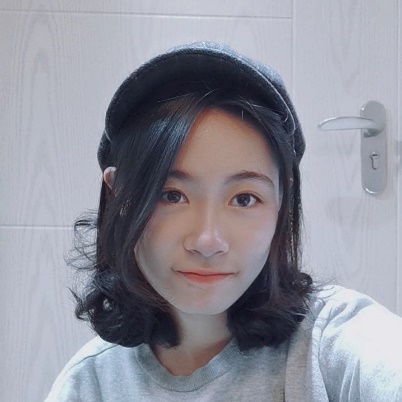
Muwen Li
2024 MIT AI Filmmaking Hackathon, 3D Winner
Harvard GSD, Graduate Student
Muwen Li is an MDes candidate in the Mediums program at Harvard GSD, with a B.Arch from Syracuse University. Her multidisciplinary work bridges architecture, 3D modeling, CG animation, and interactive media, emphasizing speculative storytelling and computational design. Muwen has contributed to research at Syracuse University SOURCE and the Boghosian Fellowship and gained professional experience at Skidmore, Owings & Merrill in Chicago and the Institute of Architectural Algorithms & Applications at Southeast University.
Her projects have received international recognition, including the PLATINUM MUSE Creative Award, and have been featured in exhibitions and screenings worldwide, such as the METAXIS + PROMPT Festival in Budapest, the D ARCH Film Festival at ETH Zürich, the A+D Museum in Los Angeles, the Brooklyn Film Festival, MIT AI Film Festival, ArchTwist, and the 20th Asia Design Exhibition. Through her diverse approach, Muwen explores the intersections of architecture, animation, and immersive media, pushing the boundaries of design and storytelling.
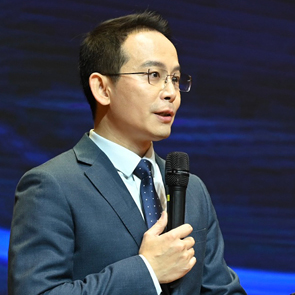
Chu Libin
Director, Producer
Council Member of the China Cinema Editors Association
With nearly 30 years of experience in film and television production and education, Libin has taught courses on photography, digital post-production, and film production at multiple universities. Throughout his career, he has directed, filmed, and produced over a hundred commercials, promotional videos, and a diverse range of microfilms, documentaries, and digital films. In recent years, his work has primarily focused on film and television creation, talent development, and academic exchange. Libin has also played a key role as a leader, planner, and judge at major industry events, including the Beijing International Film Festival, the China Science Fiction Conference, the Cross-Strait Youth Microfilm Competition, the China Golden Rooster and Hundred Flowers Film Festival, the Digital China Summit, and the China Virtual Reality Conference.
 MIT AI Film Hack